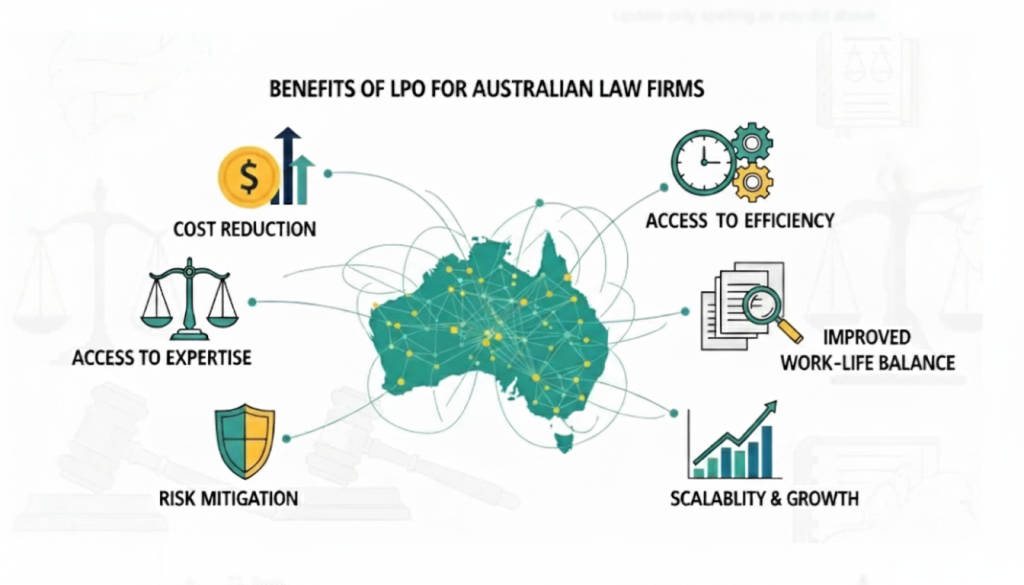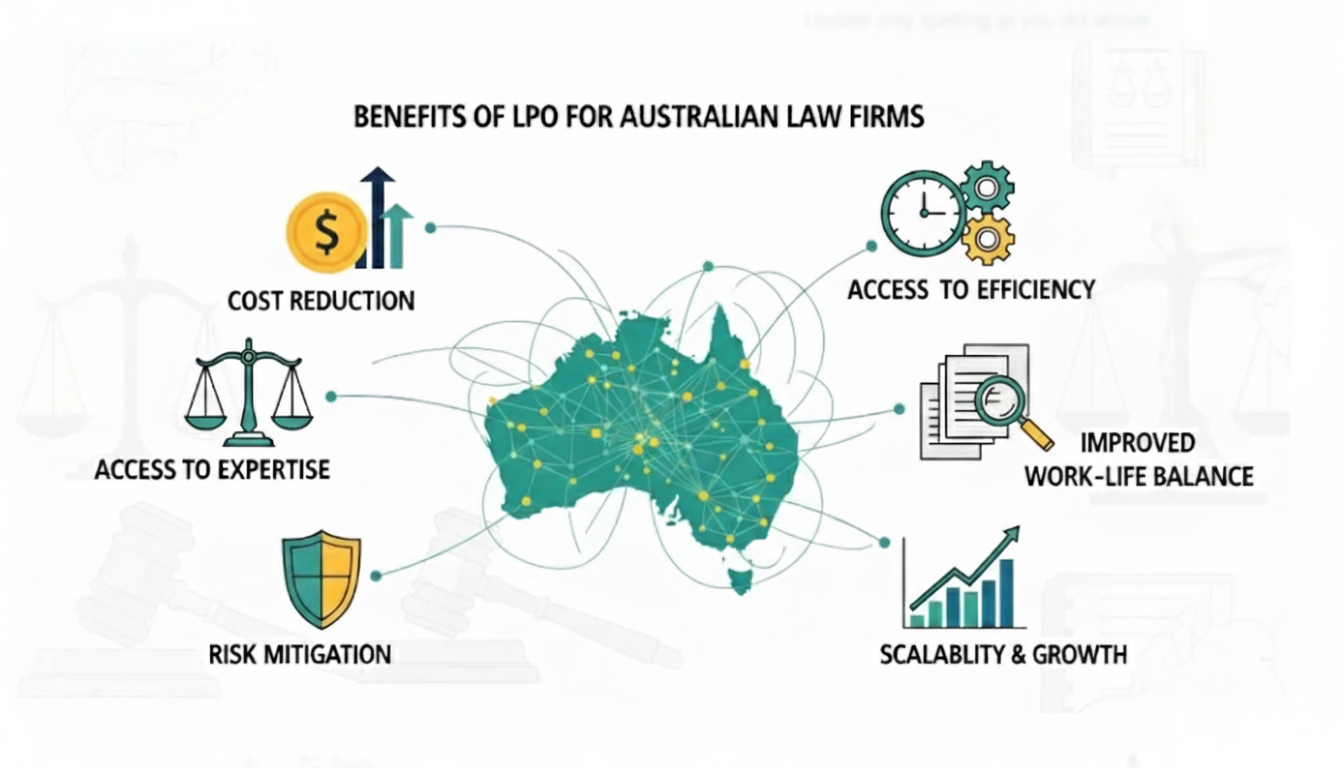
For many Australian law firms, staffing challenges continue to impact productivity, cost management, and long-term growth. Legal process outsourcing provides a structured way to address these pressures while maintaining control and consistency.
Working with Filipino legal staff has become a practical option for firms seeking reliable administrative and legal support. However, success depends on more than delegation. It requires clear communication, structured processes, and an understanding of cultural dynamics.
This guide outlines how to work effectively with Filipino staff in a legal environment, based on practical implementation insights.
Why Filipino Legal Staff Are a Strong Fit for Australian Law Firms
Filipino professionals bring a combination of education, communication skills, and adaptability that supports structured legal work environments.
Many hold degrees in law, paralegal studies, or business-related fields and are comfortable working within systems, workflows, and documentation processes.
English is widely used in professional environments in the Philippines, enabling clear communication with Australian teams across email and virtual collaboration.
They are also culturally aligned with Australian workplaces, valuing professionalism, teamwork, and long-term working relationships.
For broader context on workplace practices:
Learn more from the Fair Work Ombudsman
Communication Styles When Working with Filipino Legal Staff
Filipino professionals tend to be polite and may avoid direct disagreement. Responses such as “I’ll try” or “Let me check” can indicate that further clarification is needed.
Best practice includes asking directly if clarification is needed, encouraging questions early, and confirming understanding before tasks begin.
Respect for authority is also a strong cultural factor. This aligns with cross-cultural communication principles outlined here:
https://www.culturecrossing.net
The Importance of Structured Instructions
Clear instructions improve consistency, reduce errors, and support efficient workflows.
A practical approach is the “Three Cs”: clear, complete, and concise.
Each task should include expected outcomes, deadlines, reference materials, preferred formats, and a clear point of contact.
For general workflow and process management principles:
https://www.pmi.org
Defining Roles and Responsibilities
Filipino legal staff can support administrative coordination, document preparation, legal research, and internal communications.
Tasks such as providing legal advice, final approvals, client representation, and regulated work remain with the lawyer.
Maintaining clear role boundaries aligns with professional standards:
https://www.lawcouncil.asn.au
Aligning Workflows and Expectations
Law Assist teams in the Philippines operate in alignment with Australian business hours, supporting real-time collaboration.
Setting clear expectations around response times, availability, and communication channels helps maintain consistency.
For insights into workforce trends:
https://www.abs.gov.au
Managing Common Challenges
Common challenges include hesitation to ask questions, unclear instructions, and occasional external disruptions such as weather or connectivity.
These can be managed through structured communication, clear expectations, and the use of templates and examples.
Understanding Cultural Context
Filipino professionals are often family-oriented and focused on long-term stability, which supports reliability and commitment in the workplace.
Understanding cultural context can improve team collaboration and communication.
For global workforce insights:
https://www.worldbank.org
Planning Around Cultural Rhythms
The Philippines observes more public and cultural holidays than Australia, including Holy Week, All Saints’ Day, and an extended Christmas season.
Using shared calendars and planning deadlines in advance helps maintain workflow continuity.

What Drives Strong Performance
Filipino staff perform best when tasks are clear, expectations are realistic, communication is open, and they feel respected.
Avoid unclear instructions, unrealistic deadlines, and assumptions about legal knowledge.
Onboarding Filipino Legal Staff Effectively
Before onboarding, provide templates, define communication protocols, grant system access, and set file naming standards.
During onboarding, conduct regular check-ins, review work collaboratively, and provide structured guidance.
Ongoing support should include coaching, performance reviews, and continuous development.
How Law Assist Supports Law Firms
Law Assist is an Australian-based legal process outsourcing provider, established and operated by Australian legal practitioners.
We specialise exclusively in supporting law firms through structured, professionally managed offshore teams aligned with Australian business hours.
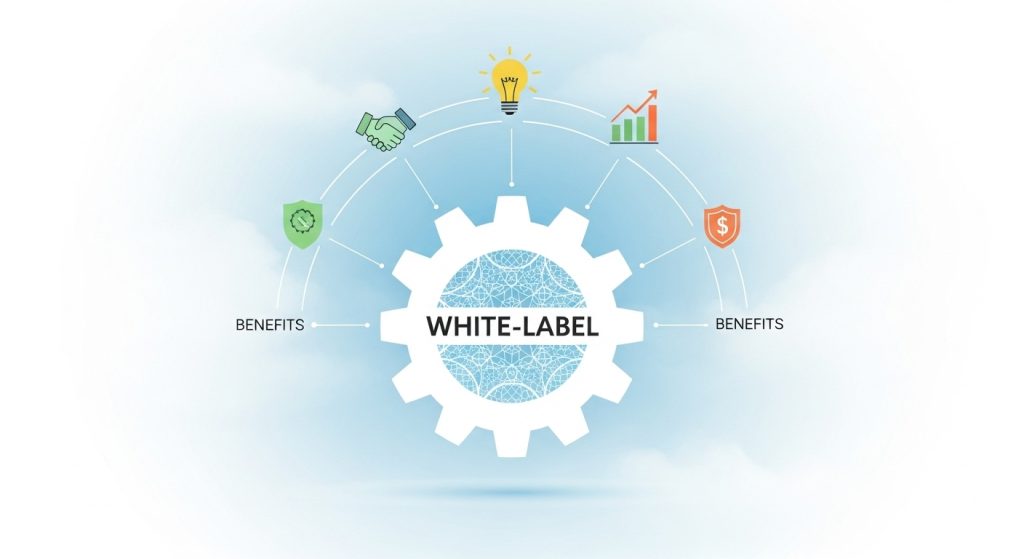
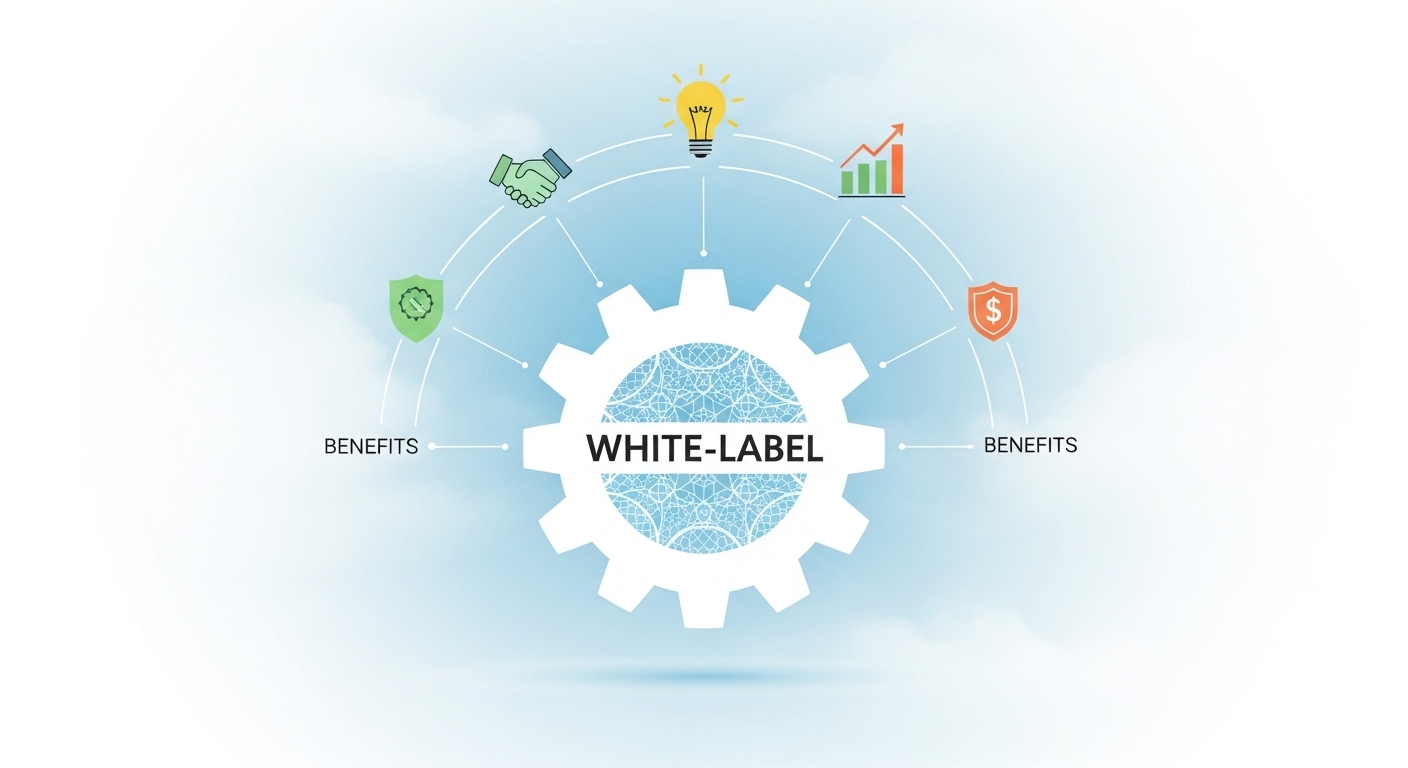
Our services include dedicated staff such as paralegals, legal administrators, and executive assistants, as well as white-label legal support for conveyancing, wills and estates, and commercial leasing.
Learn more: https://lawassist.net.au/our-services/
Visit our blog: https://lawassist.net.au/blog/
FAQs about Filipino Legal Staff
What tasks can Filipino legal staff handle?
They typically support administrative tasks, document preparation, legal research, and workflow coordination.
Do they work Australian hours?
Yes. Law Assist teams align with Australian business hours for real-time collaboration.
How do I communicate effectively?
Use clear, structured instructions and encourage questions early to ensure alignment.
What are common challenges?
Hesitation to ask questions and unclear instructions are common, but can be managed with structured processes.
How does Law Assist help?
Law Assist manages recruitment, onboarding, and ongoing support while maintaining structured workflows and communication.
What services are available?
Dedicated staff and white-label legal support across key practice areas.
Conclusion
Working with Filipino legal staff can provide Australian law firms with consistent, structured support when implemented correctly.
Success depends on clear communication, defined processes, cultural understanding, and ongoing support.
With the right framework, offshore staff become a reliable extension of your firm.